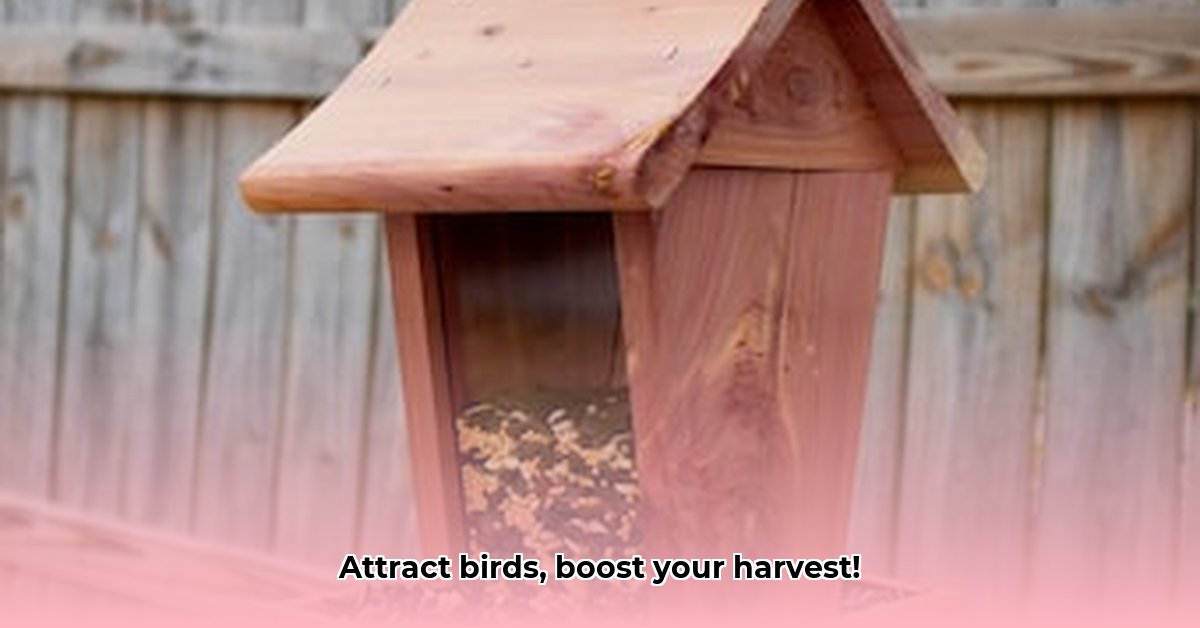
Tractor Supply Bird Feeders: A Natural Approach to Sustainable Agriculture
Want a bigger, healthier harvest without relying on harmful pesticides? Attracting birds to your farm offers a natural, effective, and sustainable solution. Tractor Supply provides a wide variety of bird feeders, making it easy to create a bird-friendly environment that boosts pollination and controls pests. This guide provides a step-by-step approach to maximizing the benefits of bird feeders for your farm. For more sustainable farming solutions, check out these chicken tractor plans.
Why Invite Birds to Your Farm?
Birds are natural allies in sustainable agriculture. Many species act as effective pest controllers, consuming insects, slugs, and other crop-damaging creatures. This reduces your reliance on chemical pesticides, benefiting both your crops and the environment. Furthermore, certain bird species are crucial pollinators, improving fruit and vegetable yields. A thriving bird population is an indicator of a healthy ecosystem, contributing to overall farm productivity and sustainability. Don't underestimate the power of your feathered friends! Did you know that a single chickadee can consume thousands of insects in a single season?
Choosing the Right Feeder: A Selection Guide
Tractor Supply offers a diverse range of bird feeders, each designed to attract specific bird species. Consider the birds you want to attract and their dietary needs before making a purchase. Do you need insect-eaters to control pests, or pollinators to enhance fruit production? The feeder's design affects which birds will visit. Hummingbirds prefer specialized feeders with tiny nectar-filled ports, while larger birds like bluebirds might favor open-cup or platform feeders. The type of seed you offer is equally crucial. Sunflower seeds are popular, but experiment with variety to attract a wider range of beneficial birds!
Setting Up Your Avian Welcome Committee: Strategic Placement
Proper feeder placement is crucial for maximizing effectiveness. Think of it as creating a welcoming habitat for your avian workforce:
Proximity to Crops (But Not Too Close!): Place feeders near crops you want to protect, but far enough away to prevent direct crop damage. A distance of 15-20 feet is often ideal.
Weather Protection: Position feeders under trees or eaves to provide shelter from rain, sun, and snow.
Easy Access: Ensure birds can easily reach the feeders without obstacles. Clear any surrounding vegetation for easy access.
Multiple Feeders: Consider using multiple feeders strategically placed throughout your property to attract a wider variety of birds and cover a larger area. This diversification is key to effective pest control and enhanced pollination.
Monitoring Your Feathered Friends: Tracking Success
Observe your bird visitors and note the species, frequency of visits, and their preferred food sources. Track crop yields and pesticide usage year over year to evaluate the effectiveness of your bird-friendly strategy. This ongoing data collection allows you to refine your approach for optimal results. Remember, this is a long-term investment in sustainable agriculture.
Weighing the Pros and Cons: A Realistic Assessment
While utilizing bird feeders offers many advantages, a balanced perspective is important.
| Pros | Cons |
|---|---|
| Natural pest control and pollination | Potential for minimal crop damage (rare & easily mitigated) |
| Reduced pesticide use | Requires regular cleaning and maintenance |
| Enhanced biodiversity and ecosystem health | Initial investment in feeders and seed |
| Simple, relatively inexpensive setup | Consistent seed replenishment required |
| Promotes sustainable farming practices | Birds may eventually move to other feeding locations |
Long-Term Vision: A Sustainable Partnership
Investing in Tractor Supply bird feeders offers significant long-term benefits. The initial cost is minimal compared to the advantages of reduced pesticide use and increased crop yields. Consistent monitoring, adjustments to feeder placement and seed types, and continued observation will refine your strategy, establishing a sustainable bird-friendly farming system. Remember, the interplay between bird populations and crop yields is complex — ongoing observation and adaptation are key!
How to Strategically Place Bird Feeders for Maximum Impact
Strategic placement is crucial for maximizing pollination and pest control, minimizing risks, and encouraging a healthy ecosystem. Consider these points:
Safety: Position feeders near protective shrubs or trees for bird safety, but avoid direct proximity to predator perches. Maintaining a distance of 10-15 feet is usually sufficient.
Window Safety: Prevent window collisions by placing feeders less than 3 feet or over 15 feet from windows.
Sunlight & Shade: Provide partial shade to keep seeds cool and prevent overheating of the feeder.
Water Source: Offering a nearby bird bath increases attraction and provides essential hydration.
A Step-by-Step Guide to Bird Feeder Success:
- Assess Your Farm: Identify suitable locations near crops, with protection and safe distances from windows and predators.
- Select Feeders: Choose feeders appropriate for your region’s common bird species.
- Strategic Placement: Position feeders according to the guidelines above.
- Choose Seeds: Offer a mix of high-quality seeds to attract diverse bird species.
- Regular Maintenance: Clean feeders regularly and replace spoiled seeds promptly.
- Habitat Enhancement: Plant native flowers and shrubs.
- Monitor and Adapt: Track bird activity and adjust your strategy as needed for optimal results.
By strategically incorporating bird feeders into your farming practices you can achieve a more natural, sustainable, and productive agricultural system. Remember that consistency, observation, and adaptation are key to long-term success.